Skip to content
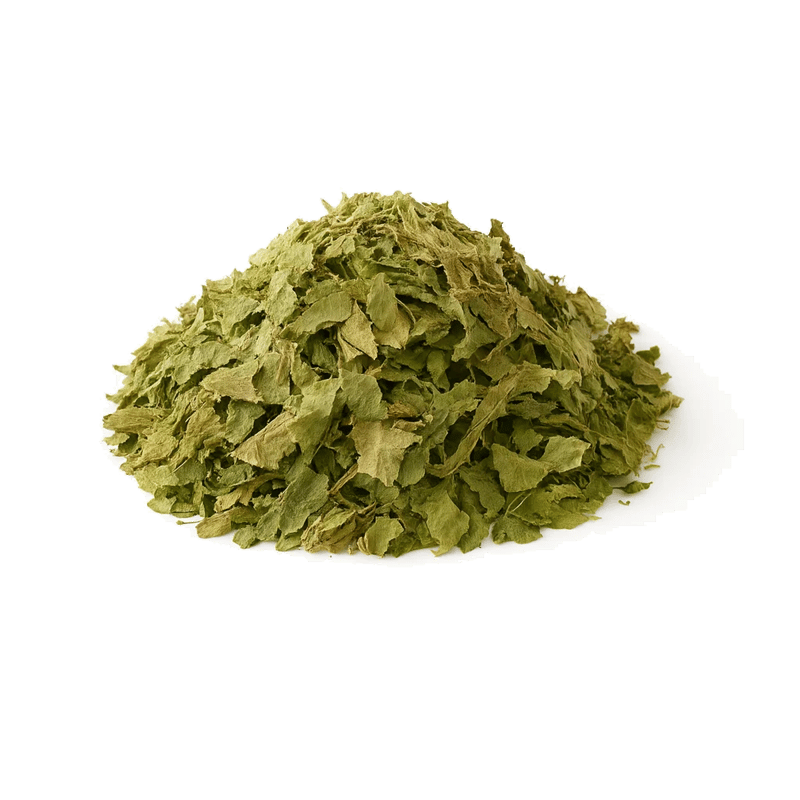
Taro - Malanga Leaf - Forestal MT product image
Cardiovascular function
Digestive support
Antioxidant power
Enriched nutrients
Traditional Herbs

Taro - Malanga Leaf - Wildcrafted & Shade-Dried - 1 unit

Colocasia esculenta

Also known as: hoja de malanga

Wildcrafted & Shade-Dried

Hoja de malanga (Colocasia esculenta), an iron-rich Caribbean leaf valued in tradition for blood vitality and gentle nourishment.


Select Size


$10.00 In Stock
1

Worldwide Shipping 30-Day Returns Secure Checkout
← Back to Traditional Herbs
Story

The TRADITIONAL HERBS Ritual

The broad, heart-shaped leaves of Colocasia esculenta, known as 'malanga' or 'quequisque,' have nourished Polynesian, African, and Caribbean cultures for millennia before taking root in Honduran soil.

The broad, heart-shaped leaves of Colocasia esculenta, known as 'malanga' or 'quequisque,' have nourished Polynesian, African, and Caribbean cultures for millennia before taking root in Honduran soil. Wild-harvested from humid lowland plantings, these leaves carry ancestral wisdom about mineral-rich nutrition and traditional food security.

Celebrated for their calcium oxalate management through proper preparation and their role in sustaining communities, they are shade-dried to preserve their nutrient density. Offered chopped, with traditional preparation knowledge essential, free from chemical fertilizers or pesticide residues.

How to Use

How to Use

Culinary Preparation (Cooked Greens - Primary Use)

Taro/Malanga leaves MUST be cooked thoroughly to neutralize calcium oxalate crystals, which can cause mouth irritation if consumed raw. Wash leaves thoroughly and remove tough stems. Boil in salted water for 20-30 minutes until very tender. Drain and use in soups, stews, curries, or stir-fries. The cooked leaves are highly nutritious and commonly used in Caribbean and African cuisine.

In Soups & Stews (Callaloo)

Add thoroughly cooked Taro leaves to traditional dishes like Callaloo, adding them during the last 20-30 minutes of cooking. The leaves provide rich, earthy flavor and nutritional depth.

Medicinal Tea (Rare, Use Caution)

Due to calcium oxalate content, tea from Taro leaves is not commonly recommended. If preparing, boil leaves for at least 20 minutes and strain very well. Use sparingly and only after proper cooking.

Important Caution

NEVER consume raw Taro leaves. Always cook thoroughly. Raw leaves contain calcium oxalate crystals that cause severe mouth and throat irritation.

Processing

Processing Method

  1. 1

    Selective Harvesting

    Herbs are hand-picked at peak maturity, with care to protect plant populations and ecosystems.

  2. 2

    Manual Cleaning

    Unwanted parts like dirt and dry leaves are removed; useful portions are sorted for quality.

  3. 3

    Drying Setup

    Delicate herbs are tied in small bunches or spread thinly to allow natural airflow.

  4. 4

    Shade Drying

    Materials dry slowly in a cool, shaded space to preserve aroma, color, and beneficial properties.

  5. 5

    Storage

    Once fully dry, herbs are trimmed and sealed in airtight containers to maintain freshness and potency.

Profile

Product Profile

Origin

🇭🇳 Honduras

Shipping

Worldwide via DHL Express

Shelf Life

For best potency, use within 12–18 months.

Storage

Store in a cool, dry, and dark place. Always keep tightly sealed. Avoid prolonged heat and humidity.

Ingredients

Shade-dried taro leaf, naturally rich in nutrients and fiber.

Customer Reviews

No reviews yet — be the first.

Write a Review

Your Rating

Reviews are moderated before publishing.
Email is never displayed.

FOR TRADITIONAL USE ONLY. This product is not intended to diagnose, treat, cure, or prevent any disease. Discontinue use if irritation occurs. Keep out of reach of children. Consult a healthcare professional before use if pregnant or nursing. Individual results may vary.